


"alo" is an abbreviation for "Act Local in Okayama"—
2026.01.18
This is How Japan Tastes – In Okayama
English
French
In Okayama, the time-honored culture of washoku coexists with beloved local cuisine.
Imbued in the flavors are memories of the land and the presence of its people.
Experience more than just tourist areas, the real Japan is here, rooted in everyday life.
Through Japanese food and sake—traversing stillness and motion, you can explore the contrasting realms of Okayama's culinary culture: the quiet and the vibrant, the traditional and the everyday.
-
Table of Contents
- Breakfast (Farm Stay Chambre d’hôte E )
- Muromachi Shuzo (Sake Brewery)
- Ryokan Otafuku
- Okonomiyaki Mie
- Arate Saryo (Tea House)
- Okayama Castle
- Click here for videos and related articles on other themes
Breakfast (Farm Stay Chambre d’hôte E )
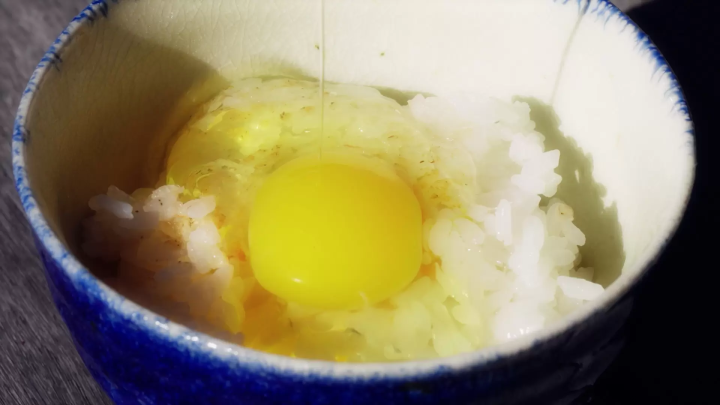
The basis of Japanese cuisine is to "start the day in a healthy way." Freshly cooked rice, soup with dashi stock, seasonal vegetables, and eggs. Rather than special dishes, combinations that make the most of the natural flavors of the ingredients have formed the foundation of Japanese food culture.
Okayama is blessed with a warm climate with little rain, and is a region where everyday ingredients such as rice, vegetables, and eggs are of high quality. The ingredients themselves support the flavor without any fancy processing.
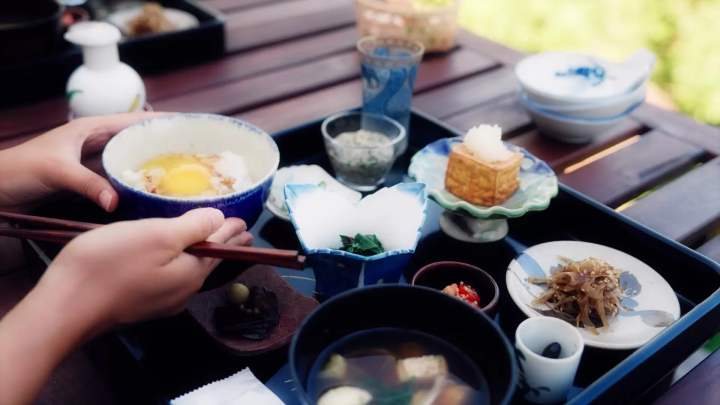
The breakfast at Chambre d'Hôte E, a farm inn, is a meal that truly reflects these characteristics of Okayama cuisine. Locally grown rice is combined with eggs, and is accompanied by seasonal vegetables and homemade side dishes. It is not a meal prepared for tourists, but rather a meal that is an extension of local life.
Enjoying breakfast in Okayama quietly makes you realize that Japanese food is a part of everyday life.
Muromachi Shuzo (Sake Brewery)
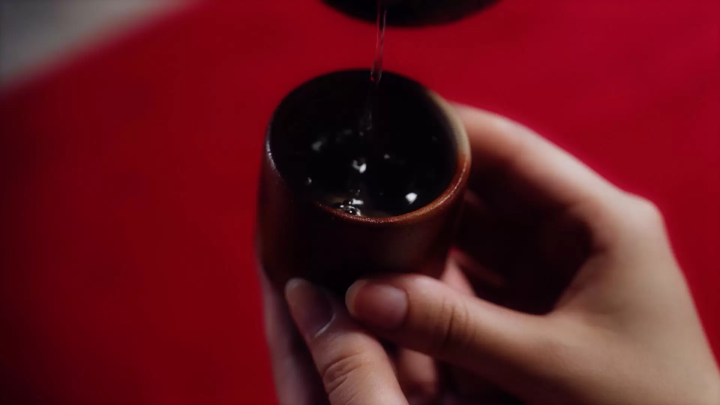
Sake is a fermentation culture representative of Japan, born from the simple ingredients of rice, water, and koji. The differences in water quality, rice, and climate of each region are reflected in the flavor, and the local environment itself shapes the individuality of the sake.
Okayama is known as the birthplace of Omachi, a type of Omachi (Sake Rice) considered to be the best sake rice. While the large grains produce a delicious sake, it is also difficult to cultivate and brew, and sake brewing techniques have been passed down for many years.
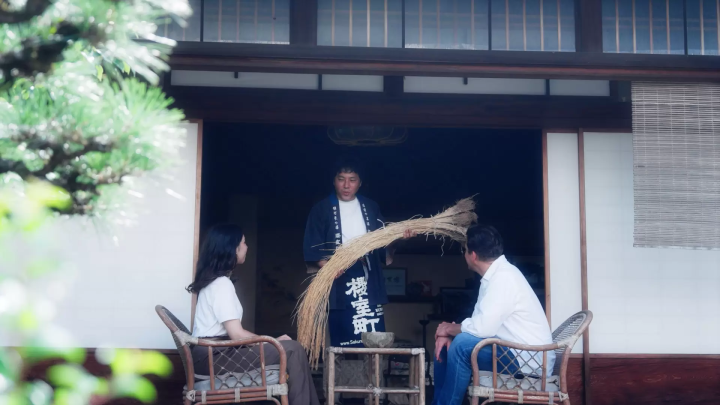
Muromachi Shuzo (Sake Brewery) is one of the breweries that continues to use Omachi (Sake Rice) brewing. While respecting traditional brewing methods, they place importance on bringing out the power of the rice, and create sake that can be enjoyed with meals.
Visiting a brewery allows you to experience for yourself that sake is not just a "special luxury item," but a culture deeply connected to the agriculture and lifestyle of the land. Tasting a glass of sake in Okayama is also an experience of learning about the climate and time that lie behind sake.
Ryokan Otafuku
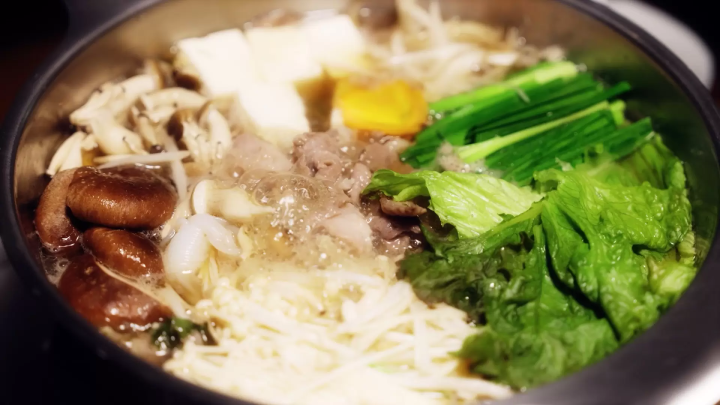
While seafood is a major part of Japanese food culture, some regions have developed their own unique meat cultures. Tsuyama in northern Okayama Prefecture is one of the most representative regions.
Tsuyama has a deep-rooted food culture that uses every last bit of beef. In particular, dishes made with Sozuri (meat from around the bone), a part of the cow that has concentrated umami flavor around the bone, are beloved as a taste unique to Tsuyama. With a history of meat processing and distribution as its backdrop, this is a culture that has been enjoyed daily in homes and restaurants.
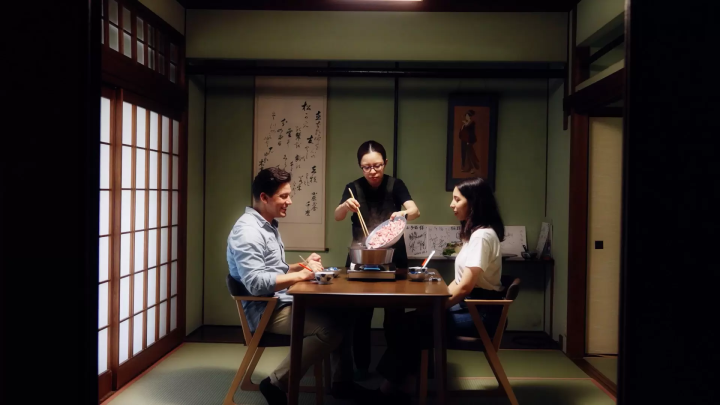
At Ryokan Otafuku , they serve Sozuri Nabe (local hot pot), a dish that symbolizes Tsuyama 's meat culture. Sozuri (meat from around the bone) is simmered with vegetables, and the more you chew it, the more flavor it releases. It has a simple, delicious taste that doesn't rely on flashy seasonings.
This is not a dish made for tourists, but rather a dish that you can enjoy the way it has been eaten in the local area for generations. A meal at Ryokan Otafuku is an experience of learning about Tsuyama 's meat culture, which is particularly unique even within Okayama , through the dining table.
Okonomiyaki Mie
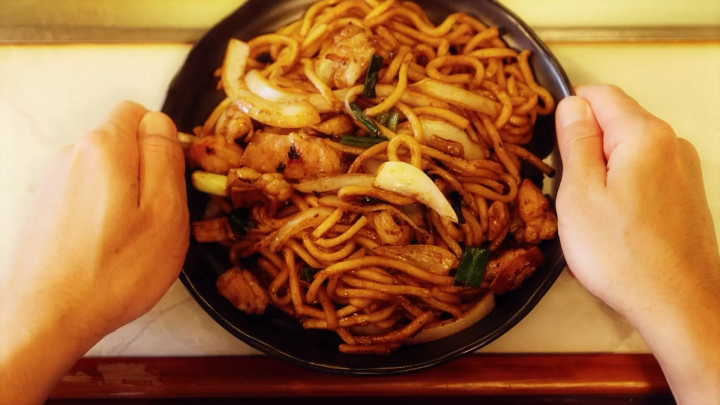
One of Tsuyama City's most popular local delicacies is Horumon Udon (offal stir-fried udon), a dish made by grilling beef offal (horumon) and udon noodles on a hot plate, born from Tsuyama's meat culture.
Tsuyama developed as a meat processing town, and fresh offal was a familiar sight. As homes and restaurants tried to create their own versions, Horumon Udon (offal stir-fried udon) became established as a quick and satisfying dish. The sweet and spicy sauce, the umami of the offal, and the chewy texture of the udon noodles all come together to create a simple yet memorable flavor.
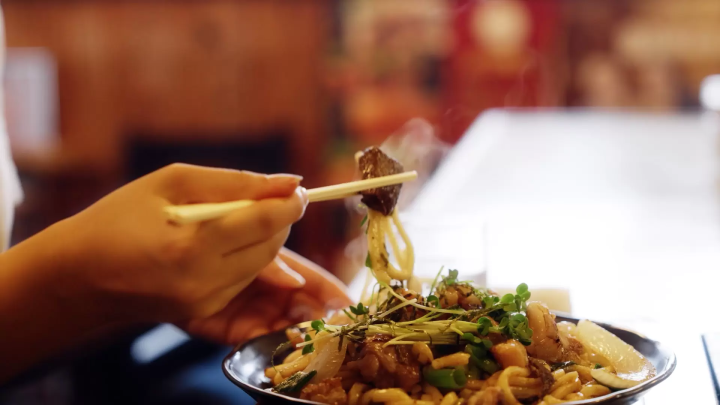
Okonomiyaki Saegusa, a well-known restaurant in the city, has been serving this classic Tsuyama dish for many years. The fragrantly grilled Horumon Udon (offal stir-fried udon) on a hot plate is not an exaggerated dish for tourists, but a dish that has been loved by locals on a daily basis. You can experience the flavor that has been cultivated in the area in its natural form.
Horumon Udon (offal stir-fried udon) is a local delicacy that you can only encounter if you visit Tsuyama. By learning about the background of Tsuyama as a "city of meat," you can appreciate the depth of the dish even more.
Arate Saryo (Tea House)
Japanese food culture is characterized by a spirit of valuing hospitality as well as eating. One symbol of this is the tea ceremony. Tableware, setting, seasonal arrangements, and tranquility. The tea ceremony has been passed down as a culture of appreciating time with all five senses, not just taste.
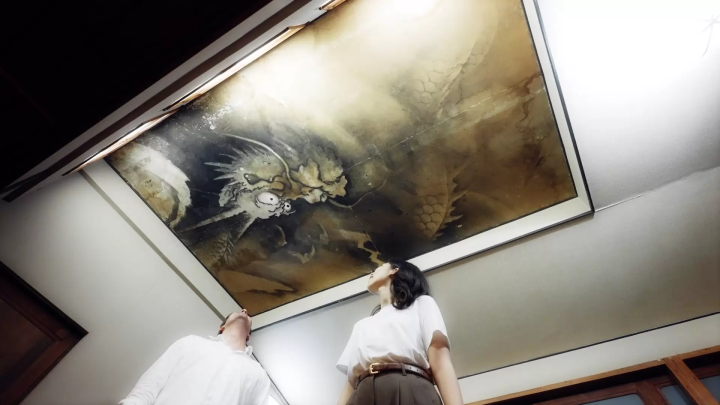
Okayama is also home to a place that embodies this spirit. Arate Saryo (Tea House) is a teahouse nestled within Okayama Korakuen Garden , one of Three Great Gardens of Japan . Guests can experience the essence of Japanese hospitality while enjoying the garden's changing appearance with the seasons.
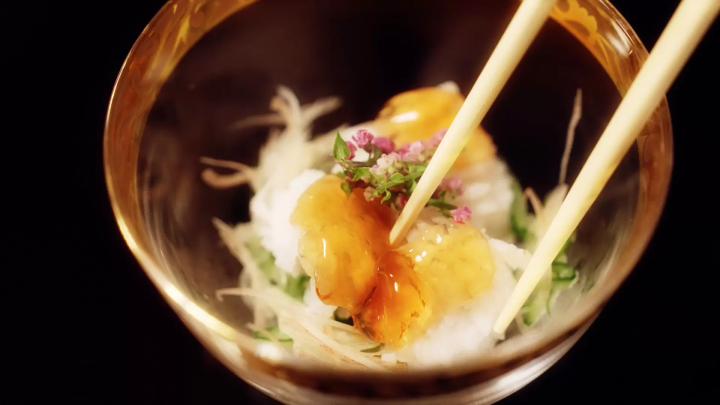
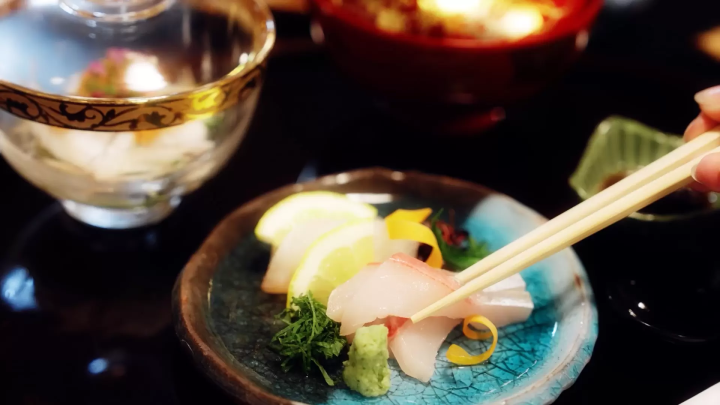
The dishes served are not extravagant, but rather have a quiet flavor that makes the most of the ingredients and the season. Ingredients unique to Okayama , which faces the Seto Inland Sea , are also cherished, and the sashimi made with fish from the Setouchi allows you to feel the umami of the ingredients themselves and the delicacy of the knife work. Tasting the bounty of the land as it is, without any unnecessary fuss, is also the essence of Japanese food culture.
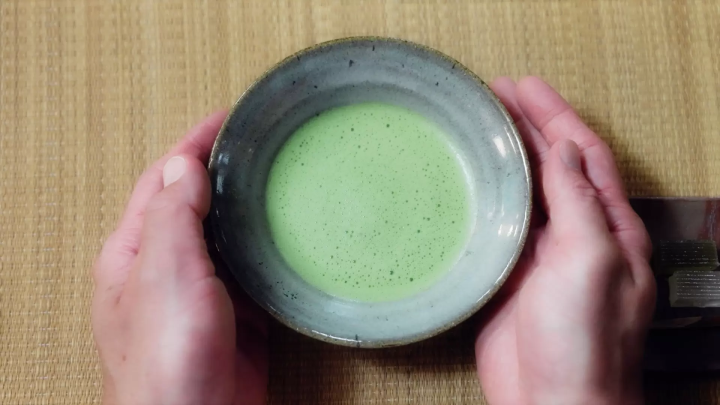
In the flow of tea kaiseki, each dish creates a space for the next bite, and the meal itself is structured as a story. Even the act of making the matcha and the time it takes to pick up the bowl become part of the experience, and the meal slowly seeps into your heart.
Okayama Castle
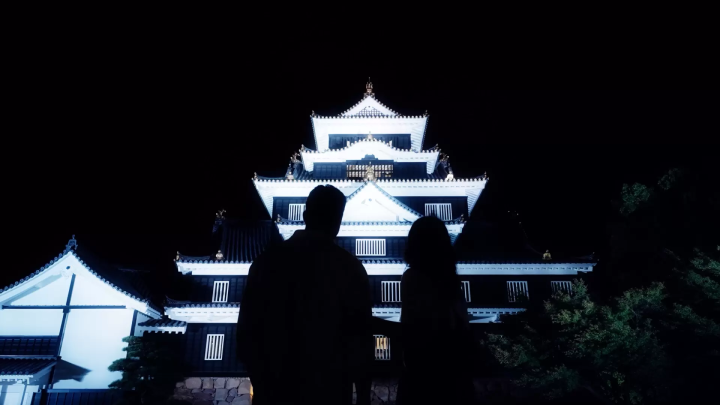
Okayama Castle Castle is located within walking distance of Okayama Korakuen Garden , where Arate Saryo (Tea House) Saryo is located. This area, where Korakuen Garden, one of Three Great Gardens of Japan, is adjacent to the castle, is beloved as a historical and cultural zone that represents Okayama.
Okayama Castle is known by the nickname "Ujo (Crow Castle)" (Crow Castle) due to its black lacquered exterior, and has a stately appearance during the day, but at night it takes on a completely different appearance. From spring to summer and autumn, the surrounding area is lit up at night by the FANTASY GARDEN(GENSO-TEIEN) held at Korakuen Garden and the U-jo (Crow Castle)Togenkyo held at Okayama Castle .
It is within walking distance after a meal or stroll through the gardens, and one of the attractions of this area is that you can enjoy the castle and gardens in a different light than they are in the daytime.
Okayama Korakuen Garden, Arate Saryo (Tea House), and Okayama Castle. By experiencing each of these as a single experience that can be toured on foot, rather than as separate points, you will be able to get a more three-dimensional feel for Okayama's history and culture.


Click here for videos and related articles on other themes




The contents on this page may partially contain automatic translation.