


"alo" is an abbreviation for "Act Local in Okayama"—
2026.01.18
Traditions Live Here – Traditional Culture of Okayama
English
French
Forging swords. Kneading clay. Dyeing cloth.
Flowing there is the time of centuries and the unchanging work of people.
Okayama has quiet cultural landscapes that remain in the heart not by travelers just "watching," but by "touching" with their own hands.
A journey touching traditional skills is also a journey to reclaim your own time, far from the noise of everyday life.
Time rests in the palm of your hand.
There is a Japan you can only meet in Okayama.
-
Table of Contents
- Bizen Osafune Sword Village Bizen Osafune Japanese Sword Museum
- Mugen-an Bizen Pottery Studio
- Former Shizutani School
- Fukiya Furusato Village
- Katsuyama Historical Preservation District
- Hinoki Natural Dye Weaving Studio
- Click here for videos and related articles on other themes
Bizen Osafune Sword Village Bizen Osafune Japanese Sword Museum
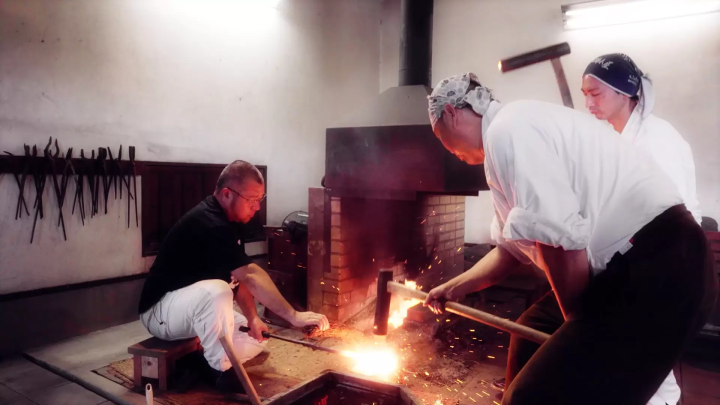
Japanese Sword (Katana) are not just weapons. They are a symbol of prayer, aesthetics, and the passing down of skills, and are a part of traditional Japanese culture.
Bizen Bizen is one of Japan's leading sword-making regions, dating back to the Heian period. Here, the techniques and spirit of sword-making, which have been passed down for nearly a thousand years, continue to live on uninterrupted.
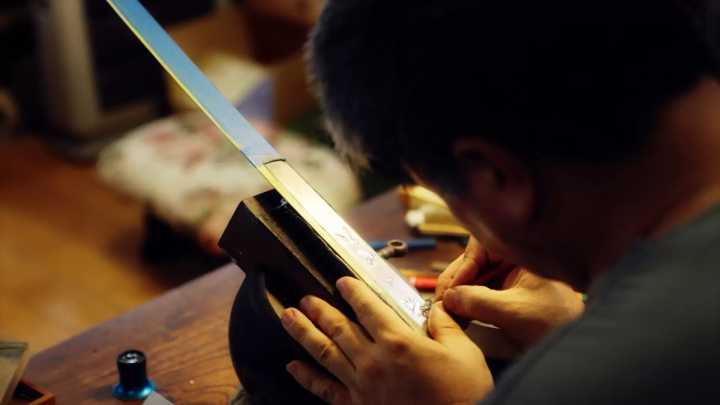
At the Bizen Osafune Japanese Sword Museum, in addition to exhibiting famous swords, you can also get up close and personal with the actual sword forging process. The sound of sparks flying, the clatter of hammering iron, and the silent cooperation between craftsmen all give you a real sense that Japanese Sword (Katana) are made by "human hands."
Not only can you appreciate the completed beauty, but you can also witness the moment it is born - this is an experience that can only be had at this place.
In Okayama, you can encounter authentic Japanese traditional culture that continues to this day, not just in display cases.

Mugen-an Bizen Pottery Studio
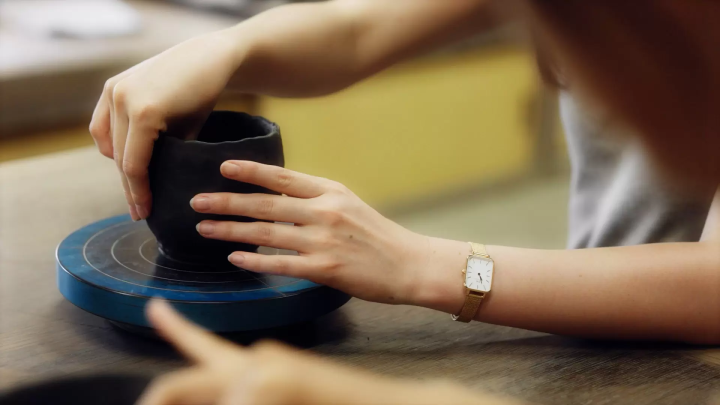
Bizen Pottery is one of the Six Ancient Kilns of Japan in Japan and is a traditional craft representing Okayama . It is characterized by its rustic texture, which is achieved by firing it for long periods in a wood-fired kiln without using glaze, and the unique appearance of each piece due to the influence of the flames and ash.
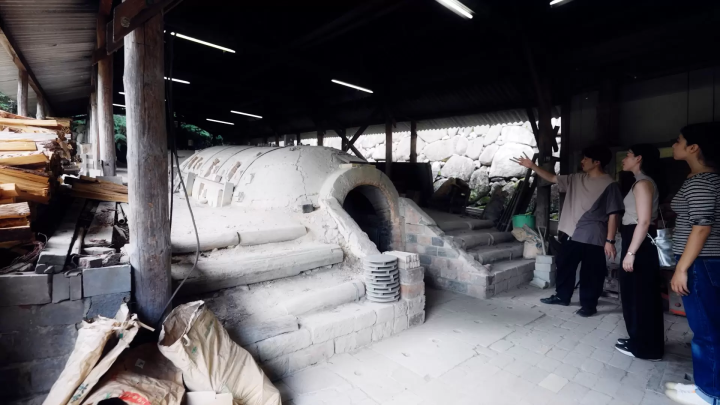
At the Mugen-an Bizen Pottery Studio in Bizen City , Okayama Prefecture , you can learn about the traditional manufacturing methods and background of Bizen Pottery, while also observing and experiencing the actual production process.
The appeal of this workshop is that, through explanations of potter's wheel forming and kilns, you can experience the process of transforming clay into vessels and the unique manufacturing process of Bizen Pottery, which takes a long time to complete.
By not only seeing the finished product, but also learning how it is made and why it has the appearance it does, you will gain a deeper understanding of Bizen Pottery.
Mugen-an Bizen Pottery Studio is popular with visitors from both Japan and abroad as one of the places where you can experience Okayama's traditional culture up close.


Former Shizutani School
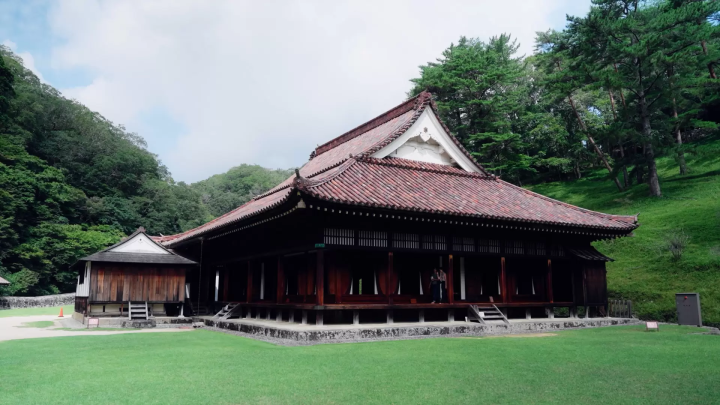
The Former Shizutani School is known as Japan's oldest public school for commoners, founded in 1670 by Ikeda Mitsumasa, the lord of Okayama Domain. It was an educational facility that provided learning opportunities regardless of social status, and has played an important role in the history of education in Japan.
The remaining buildings, including the lecture hall, shrine, and stone walls, have been designated as a special national historic site, and they convey the image of a place of learning from the Edo period in excellent condition. The lecture hall, with its gabled roof, in particular, is highly regarded as a simple yet elegant piece of architecture.
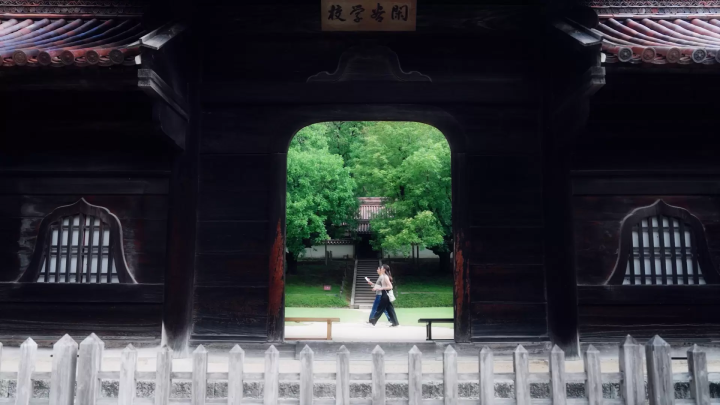
The Former Shizutani School is also known as a place where you can enjoy the natural scenery of the four seasons. In spring, the cherry blossoms that bloom on the school grounds harmonize with the historic architecture, creating a tranquil cherry blossom viewing scene. In autumn, the autumn leaves, including those of the Japanese lantern trees, reach their peak, and every year the leaves are lit up at night, allowing you to view the historic site in a tranquil atmosphere that is different from the daytime.
The great appeal of the Former Shizutani School is that you can experience architecture, philosophy, and the changing seasons all at once in an environment surrounded by nature. Here, the "culture that values learning" and the philosophy of nurturing people that have been passed down in Okayama still live on quietly.


Fukiya Furusato Village
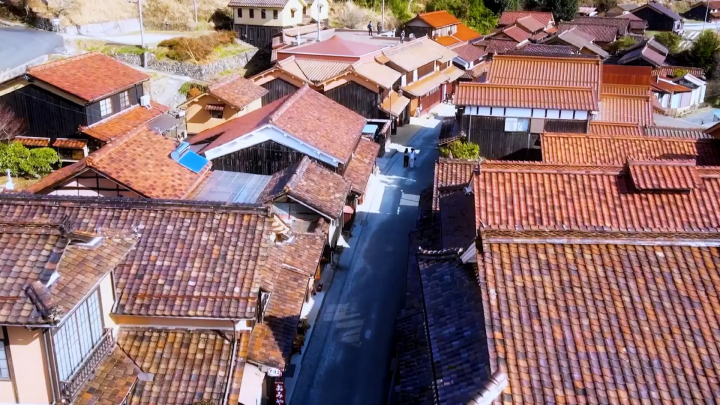
Fukiya Furusato Village is a mountain village located in Takahashi City , Okayama Prefecture , which prospered from the Edo to Meiji periods due to the production of copper mines and Bengara (Red Pigment). The townscape is lined with houses with reddish-brown Sekishu roofing tiles and Bengara (Red Pigment) colored exterior walls, and the scenery from that time has been well preserved even today.
Fukiya is known as the only historical settlement in Japan where the entire town is uniformly painted in the color of Bengara (Red Pigment), and its unique landscape has been designated as an Important Preservation District for Groups of Traditional Buildings by the national government. Bengara (Red Pigment) was once distributed nationwide as a preservative and insect repellent for building materials and as a pigment for ceramics, and Fukiya was one of the important production centers that supported Japan's modern industry.
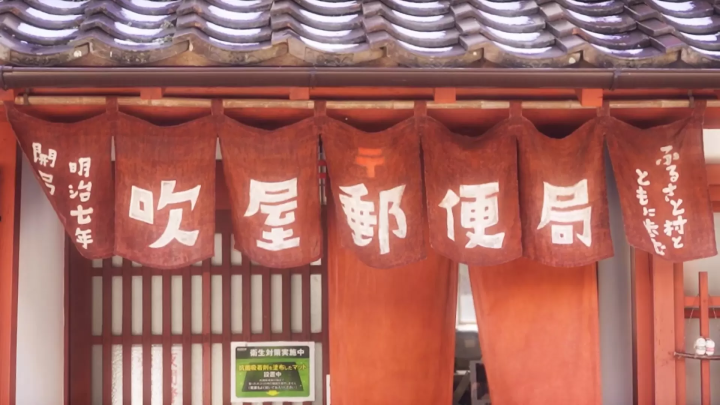
The village is dotted with buildings that tell the story of life and industry at the time, and visitors can learn about the history of the region, which developed alongside the mines, in a three-dimensional way through Fukiya Elementary School (the former Fukiya Elementary School building), Bengara (Red Pigment) Museum, and the Local History Museum.
Today, Fukiya Furusato Village not only preserves the historic townscape, but has also been developed as a place where people can walk, stay, and experience culture. One of its greatest attractions is the opportunity to experience a landscape where memories of architecture, industry, and daily life overlap as you stroll along the cobblestone streets.
How has Okayama's traditional culture been nurtured through industry and daily life? Fukiya Furusato Village is a place that quietly conveys the answer.


Katsuyama Historical Preservation District
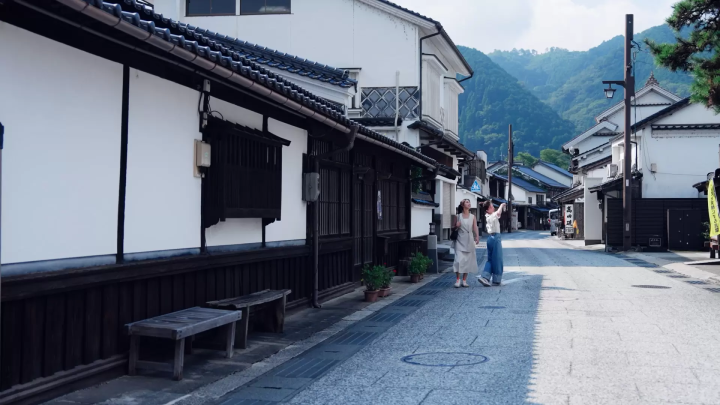
The Katsuyama Historical Preservation District is a historic district in Katsuyama , Okayama Prefecture Maniwa City , Okayama Prefecture, that preserves the townscape formed from the Edo to Meiji periods. Katsuyama once flourished as a hub for water transportation on the Asahikawa , and is lined with merchant houses with white walls, namako walls, and lattice doors, preserving the town layout and scenery of that time in good condition.
This area has been recognized for the efforts of local residents to preserve and utilize the area, and has been designated as an Important Preservation District for Groups of Traditional Buildings by the national government. Katsuyama's greatest feature is that it is not just a place where buildings have been preserved, but a "living townscape" where people's lives and businesses still thrive.
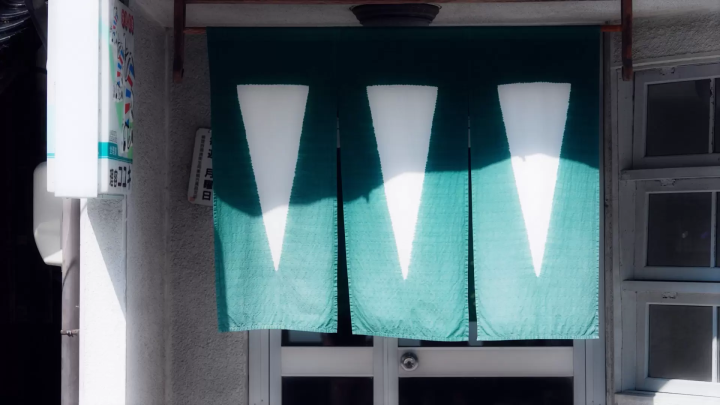
Along the street, restaurants, galleries, workshops and other establishments are dotted, renovating old houses, allowing you to enjoy a landscape where traditional architecture and modern life blend seamlessly together. Additionally, the "Noren Curtain Culture" that has been passed down as a unique part of the region is also one of the elements that characterize the townscape of Katsuyama.
The Katsuyama Historical Preservation District is a quiet area surrounded by mountains where you can take a leisurely stroll and learn about the town's history. It is a place where you can experience how Okayama's traditional culture has been preserved and passed down in everyday life.
Hinoki Natural Dye Weaving Studio
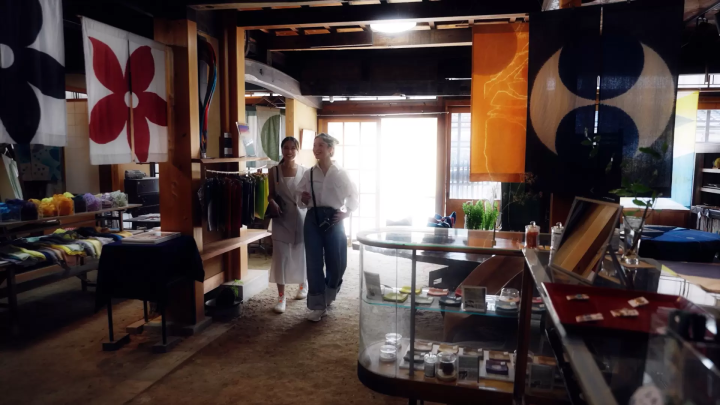
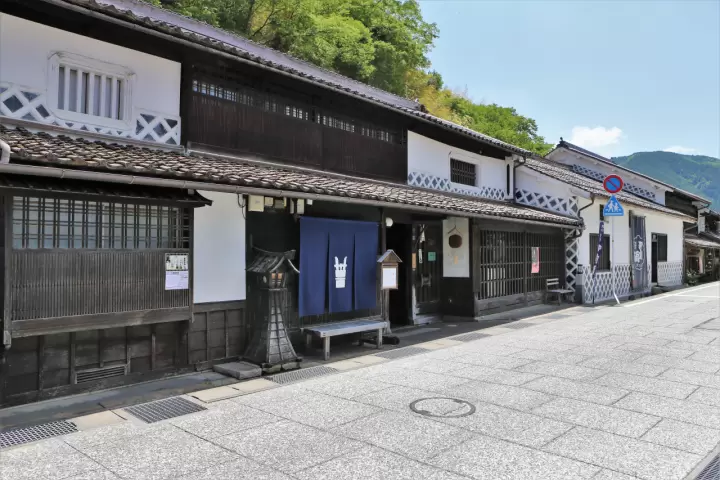
Located in the Katsuyama Historical Preservation District, Hinoki Plant Natural Plant Dyeing and Hinoki Natural Dye Weaving Studio is a studio that continues to carry on the culture of plant dyeing and weaving. Using plants harvested from the surrounding nature as dyes, the studio is characterized by its locally rooted manufacturing, which involves a consistent process from yarn dyeing to weaving.
Natural Plant Dyeing is a traditional technique that has been passed down throughout Japan since before chemical dyes became widespread, and one of its charms is the different colors that each plant produces and the texture that changes over time. At the Hinoki Natural Dye Weaving Studio, we make use of these natural colors to create textile products and other pieces that are easy to incorporate into your daily life.
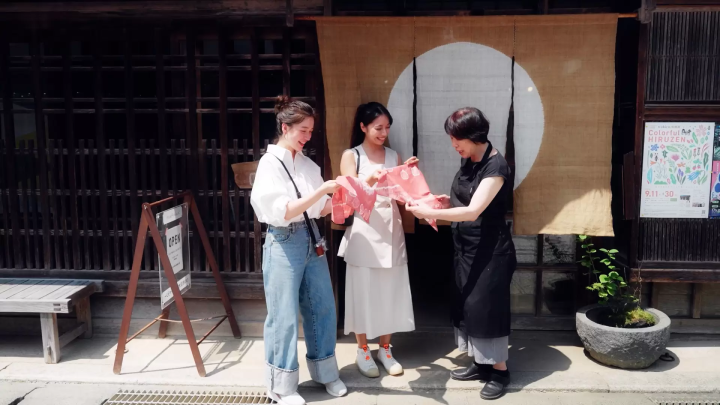
The workshop also offers programs where you can observe the production process and experience Natural Plant Dyeing, providing an opportunity not only to "see" but also to "touch and learn" traditional techniques. Another attraction of this place is that you can deepen your understanding of the materials and processes while experiencing the artisans' handiwork up close.
Located within the historic townscape of the Katsuyama Historical Preservation District , the Hinoki Plant Dyeing and Weaving Workshop is an essential spot for introducing Okayama 's traditional culture, as it allows visitors to experience the culture that has been passed down through the generations, linking nature, lifestyle, and traditional Hinoki Natural Dye Weaving Studio .
Click here for videos and related articles on other themes





The contents on this page may partially contain automatic translation.