


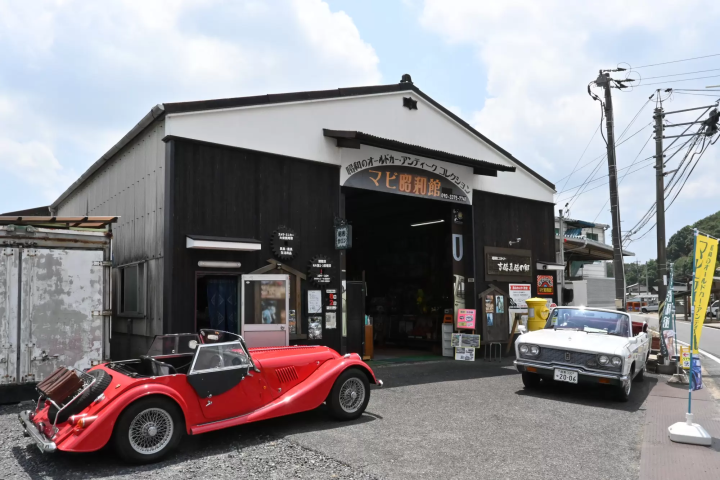
Mabi Showa Museum is a private museum located in Mabi-cho, Kurashiki Kurashiki City, Okayama Prefecture . Open only two days a month, this place houses over 12,000 items of Showa materials, including classic cars and miniature models. It offers a nostalgic and discovery-filled time-travel experience.
2026.07.31Stepping inside, you enter a different world enveloped in the atmosphere of the Showa. It's a time machine on a scale that cannot be contained by the word "museum." Interacting with the director, who actually lived through the gritty yet brilliant Showa era, and the warm staff is a major attraction. In this article, a writer who has lived through about a third of the Showa will share their experience of time-traveling to the "Mabi Showa Museum."
-
Table of Contents
- It all started with collecting miniature cars: "A collection of over 12,000 items from the Showa "
- A "time-traveling space" invited by classic cars that are actually drivable.
- Nostalgic everyday items and farming tools evoke "memories of those days."
- Beyond the Showa room lies an "impressive collection of miniature cars."
- The warmth of people from the Showa, as conveyed by volunteer staff.
- A "Showa retro cafe menu" that satisfies both your stomach and your heart.
- Overcoming the 2018 floods—A fresh start to "give back"
- The iconic Debonair connects "memories of parades and movies"
- A place of smiles and energy that connects generations.
It all started with collecting miniature cars: "A collection of over 12,000 items from the Showa "
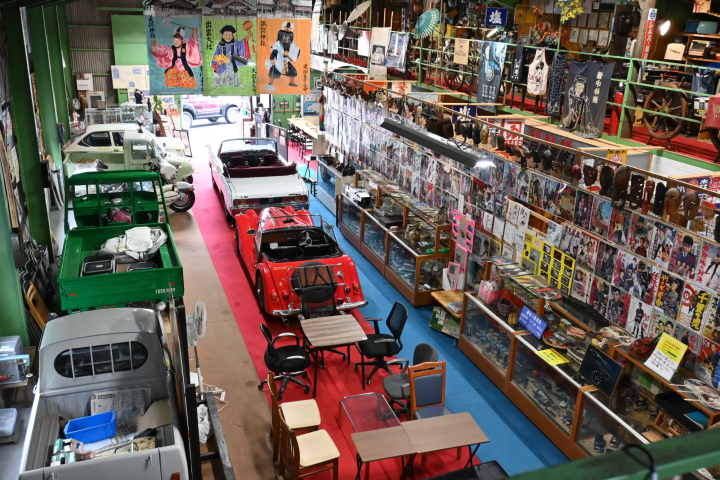
Located in Mabi-cho , Kurashiki City, Okayama Prefecture, the " Mabi Showa Museum" is a privately run museum that is only open two days a month (the first and third Sundays of each month). The Showa era refers to the period in Japanese history that lasted from 1926 to 1989. Adults who remember that time are filled with nostalgia, and children seeing it for the first time have their eyes light up—people from all over Japan gather at this place seeking this world of Showa retro.
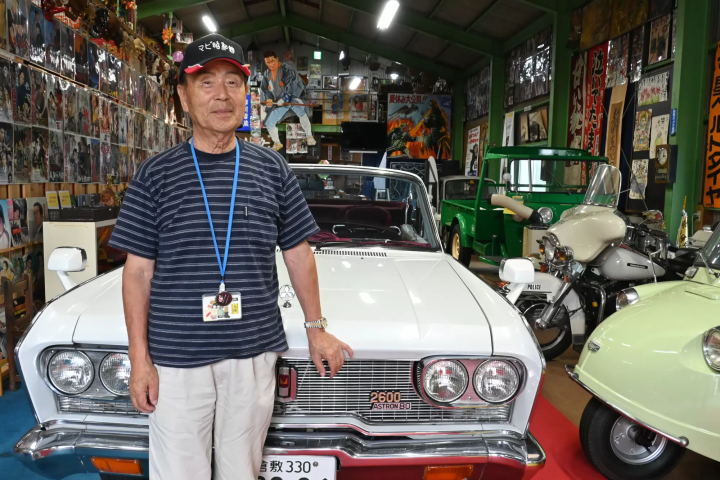
"I love cars. It all started when I began collecting miniature trucks and things like that. I couldn't possibly collect a lot of big, real cars, so I started by enjoying having miniature cars on hand," laughs Ritsuo Maruoka, director of the Mabi Showa Museum. This impressive collection began when the director started collecting miniature cars at the age of 45.
The museum director, whose passion for cars grew so strong that after retirement he began repairing classic cars himself and driving them, had grown to the point where he had accumulated thousands of miniature cars, including a camera that was a memento from his father that was in his home. "I'd like to share them with everyone somewhere," he thought, and that's how the "Mabi Showa Museum" began, when he remodeled a warehouse and started exhibiting his collection. Currently, the museum houses over 12,000 valuable items from the Showa, including automobiles, miniature cars, motorcycles, bicycles, cameras, household goods, toys, and movie posters.
"I have a strong passion for cars, so they stand out, but it's not like we specialize in anything in particular; it's filled with Showa from all genres," (Director Maruoka)
A "time-traveling space" invited by classic cars that are actually drivable.
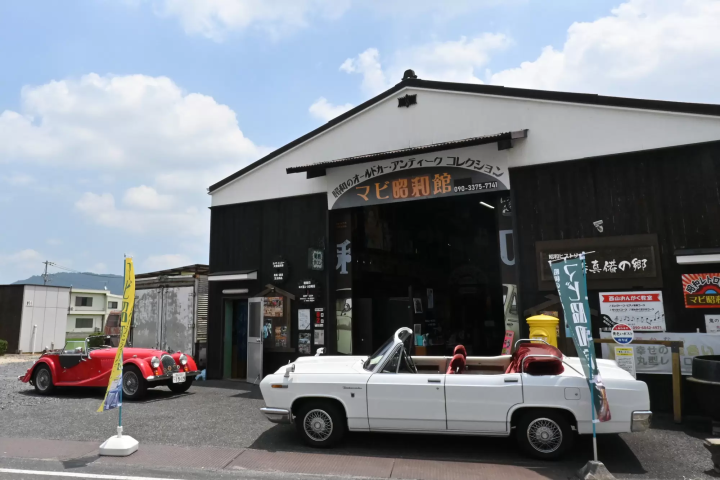
Even before paying the entrance fee at the reception, what immediately catches the eye are the numerous classic cars, including a Mitsubishi Debonair Convertible (open-top car). Their beautifully arranged display is a testament to the curator's dedication, and surprisingly, the cars at "Mabi Showa Museum" are not only exhibits but also officially registered vehicles with license plates. In other words, they can still be driven on public roads.
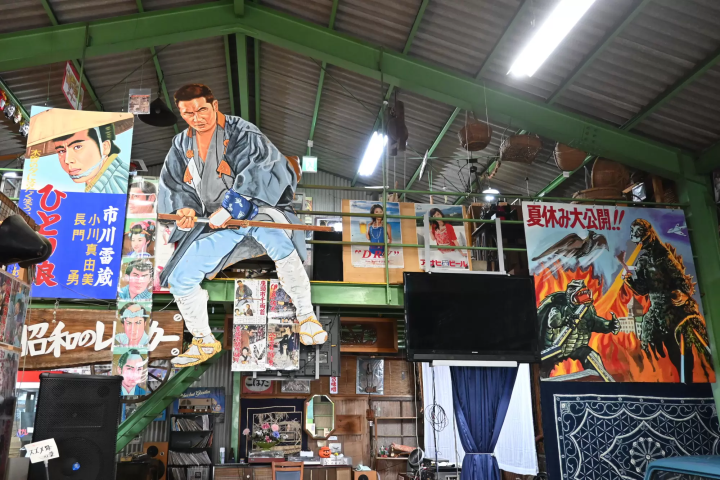
The walls are covered with movie posters that look down on the cars, and among them, the hand-painted signs that really catch the eye are extremely valuable, as they were actually used in a movie theater in Kurashiki . On the back of the posters is " Showa Retro Alley," which realistically recreates scenes of old-fashioned barbershops and Dagashi (Japanese retro candy) stores. This atmosphere, which is nostalgic even for writers, conveys the way of life of people from that time no matter where you look, and it is truly like traveling back in time.
"I didn't clean the car just so people would see it; it's just my nature to want to clean it up and display it. I'm really happy that everyone enjoys it," (Director Maruoka).
Nostalgic everyday items and farming tools evoke "memories of those days."
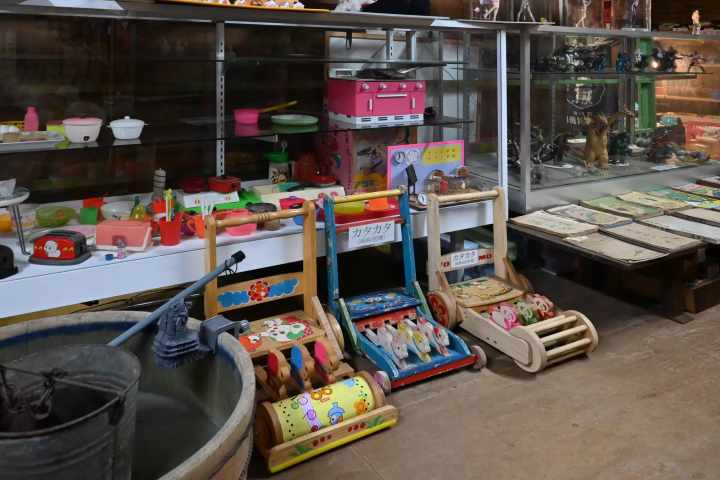
Drawn in by the nostalgic music playing in the hall, you ascend to the second floor, where a dazzling array of items are displayed, from kitchenware and audio equipment to home appliances, everyday objects reflecting the era, and even farming tools that once supported fields and farms throughout Japan. Truly befitting its name, " Showa Hall," it feels like a time machine that has packed the Showa era into one place and is carrying it into the future.
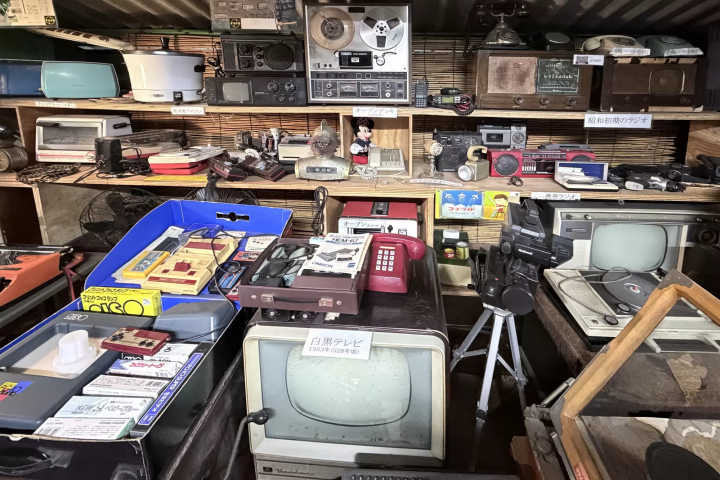
The museum displays toys and stationery that children played with in the Showa, as well as a variety of everyday items that were used in kitchens and living rooms. In the section on old farming tools, some visitors are said to stop and shed tears. The exhibits here are not collections focused on a specific theme, but rather "memory switches" that evoke memories of past lives and cherished family moments. The writer herself stopped in front of various exhibits, recalling her own days spent in the Showa.
"Many people bring in farming tools and household items, and they share their memories and stories with us," says Director Maruoka.
Beyond the Showa room lies an "impressive collection of miniature cars."
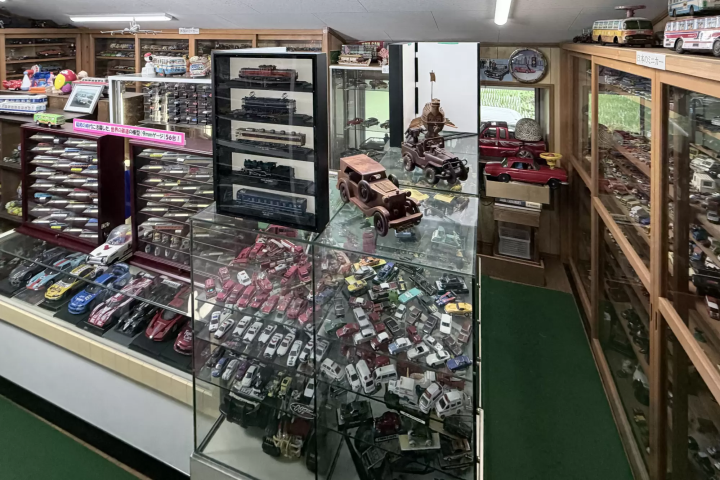
The miniature car collection that inspired the creation of "Mabi Showa Museum" is located in a dedicated exhibition room beyond a room that recreates life in the Showa. The sheer number of cars is so overwhelming that you might find yourself wondering, "Where do I even begin?" This room, filled with various types of miniature cars, might be a dream space where miniature car enthusiasts could spend hours. If you have any questions, please feel free to ask the museum director.
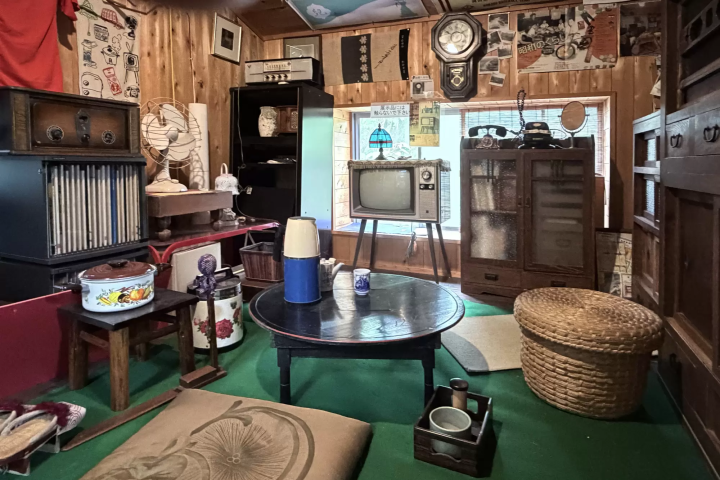
Leaving the miniature car exhibition room, you'll find the camera collection, which was also the inspiration for the museum's opening. You'll be captivated by the numerous cameras that graced different eras, including those left behind by the museum director's father. There are also educational exhibits and displays introducing "common features of Showa homes," making it a fascinating place to visit that you might find yourself reluctant to move on.
"We have miniature cars from all sorts of genres, so I hope you'll take your time and look around. It might be a place where enthusiasts could spend all day," says Director Maruoka.
The warmth of people from the Showa, as conveyed by volunteer staff.
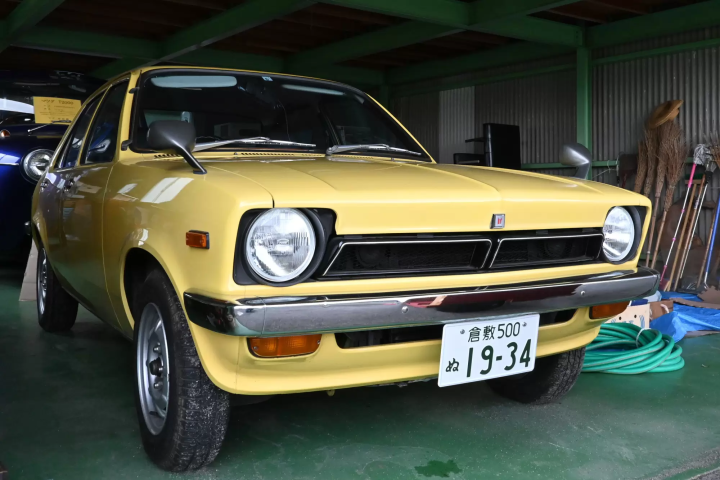
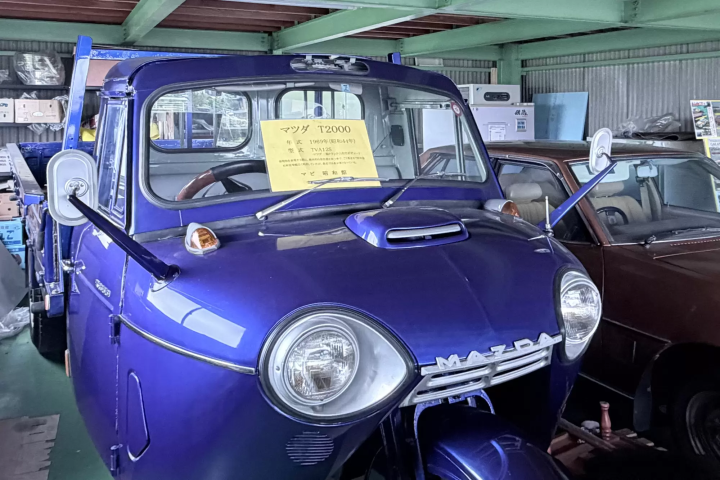
Going back down to the first floor and outside the building, you'll find rare Mitsubishi cars and Mazda three-wheeled vehicles in the garage. These are also in pristine condition and still have their license plates. Further on is the motorcycle and bicycle section. Here too, rare motorcycles and bicycles are on display, and volunteer staff who genuinely love them provide kind explanations, sharing their own memories. On the day of the interview, one of them delightfully shared a thrilling anecdote about riding a motorcycle across America when he was young.
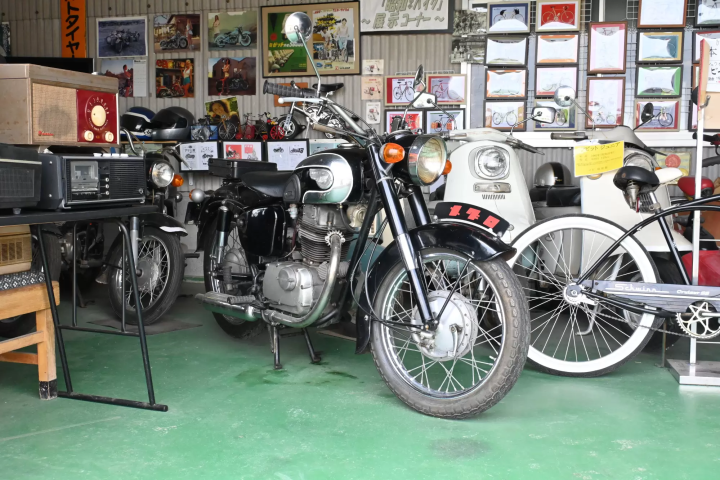
At Mabi Showa Museum, you can not only admire the exhibits but also experience the atmosphere and stories of that era by actually talking to people. Interacting with elders who guide you through the exhibits and chat with you in the "Showa Salon" is one of the great attractions of this place.
"Everyone is working in their own right place, so please feel free to talk to us. We enjoy talking to you too," (Director Maruoka)
A "Showa retro cafe menu" that satisfies both your stomach and your heart.
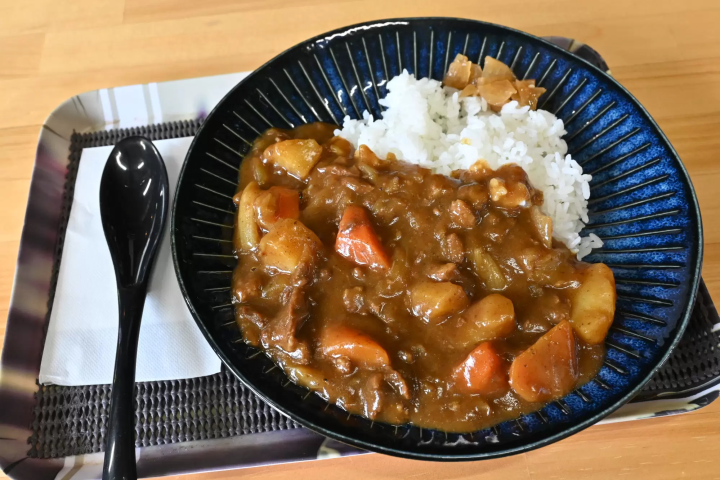
If you're going to visit "Mabi Showa Museum ," you might as well fill your stomach too. The " Showa Retro Curry" is a popular dish at " Showa Salon," a coffee corner frequented by locals. It has a homey and gentle flavor, yet is rich and has just the right amount of spiciness. It may evoke nostalgia for the Showa generation and feel fresh to the younger generation. This curry is a time-consuming dish, with beef tendons simmered slowly from the day before.
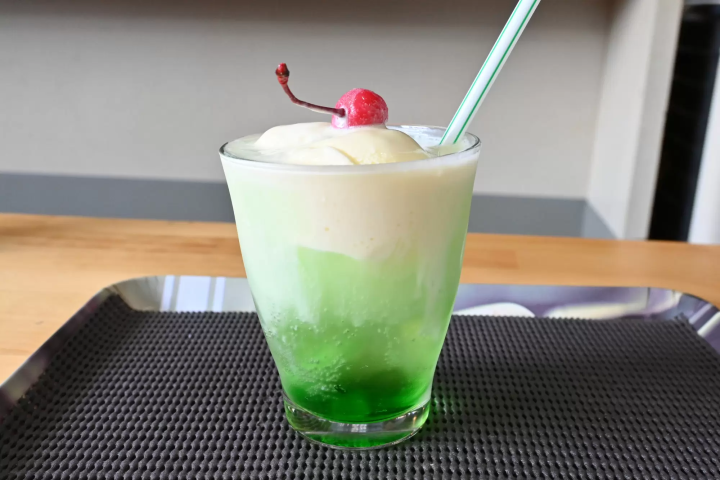
Another popular menu item is the "cream soda," a fizzy melon soda topped with vanilla ice cream. As a staple of old-fashioned coffee shops, it remains a symbolic presence in Japan during the Showa Showa boom. The smiles of the staff working at the salon and the local residents who eagerly await the shop's two opening days each month further enhance the warm atmosphere of this place.
"We want our customers to fully experience the Showa, so we're even using a Showa-era rice cooker to cook the rice for Showa," says Director Maruoka.
Overcoming the 2018 floods—A fresh start to "give back"
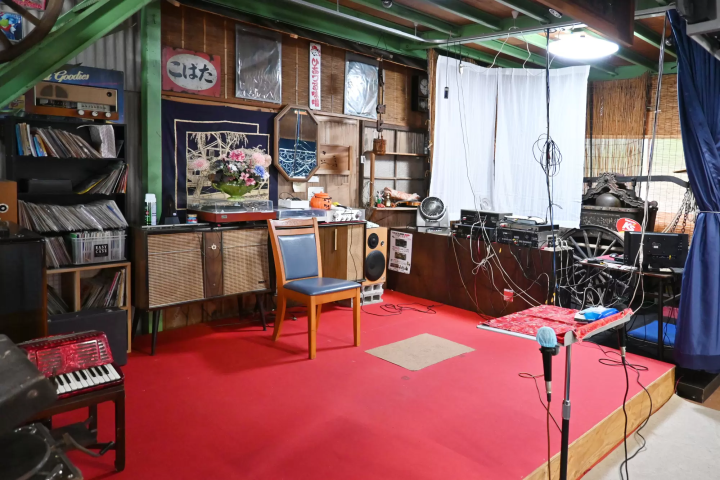
While the Mabi Showa Museum is now a place filled with smiles, in July 2018, it suffered unprecedented flooding damage, with water reaching a height of 183 centimeters, during the massive torrential rain disaster that struck western Japan (known as the "Western Japan Floods"). The shutters became impossible to open due to the water pressure, and many of the cars and valuable collections that had been amassed were submerged. However, the museum director resolved to "preserve" and rose to the challenge. While he reluctantly gave up on repairing items that were difficult to restore, he dedicated all his efforts to fixing all of the cars.
Thanks to the support of many volunteers and warm encouragement from all over the country, it made a miraculous comeback in May of the following year. Now, it has a multi-purpose stage where local residents can enjoy events such as karaoke gatherings, and it has once again become a symbol of Mabi-cho, Kurashiki Kurashiki City, where many people can laugh together.
"20 to 30 people helped us every day. With the sole desire to 'repay' everyone's kindness as soon as possible, we worked desperately hard for a year until we could reopen," said Director Maruoka.
The iconic Debonair connects "memories of parades and movies"
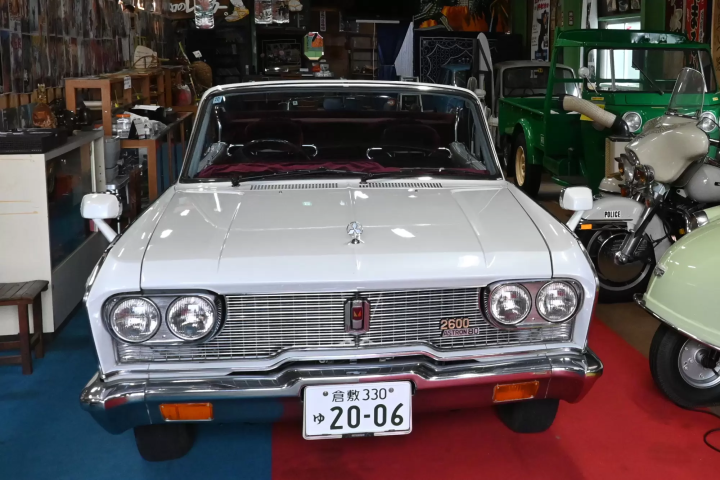
The Mitsubishi Debonair convertible, a luxury car I mentioned earlier, is one of the most eye-catching vehicles at the Mabi Showa Museum. This car is extremely rare, with only three ever manufactured to commemorate the opening of the Seto Ohashi Seto Ohashi Bridge (a bridge connecting Okayama and Kagawa Prefecture in Okayama Prefecture and Shikoku, opened in 1988). It is said that this is the only one still in existence with license plates. When Japanese figure skater Daisuke Takahashi won a bronze medal at the Vancouver Winter Olympics and returned to his hometown of Kurashiki, the museum director himself, though nervous, took the wheel and drove this very car in the parade. Even today, fans sometimes visit the museum specifically to see this car.
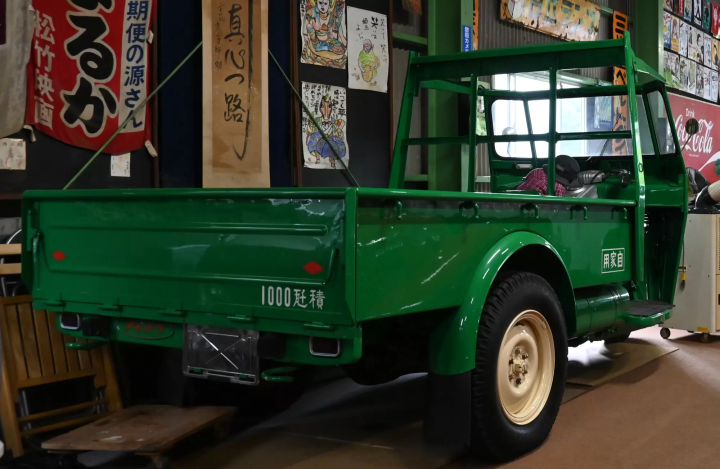
Furthermore, the vehicles and valuable antique items at the "Mabi Showa Museum" have actually appeared in numerous movies and dramas. For example, many of the museum's vehicles appeared in the movie "Tonbi," starring Japanese actor Hiroshi Abe, which was filmed in Okayama Prefecture. Perhaps those retro cars and props that you've seen on screen or television and felt a sense of nostalgia for are treasures of the "Mabi Showa Museum."
"Debonair is truly a treasure. Please come and see it up close. I was nervous during Dai-chan's (Daisuke Takahashi's nickname) parade, but I'm glad I did it! It's a memory I'll cherish forever." (Director Maruoka)
A place of smiles and energy that connects generations.
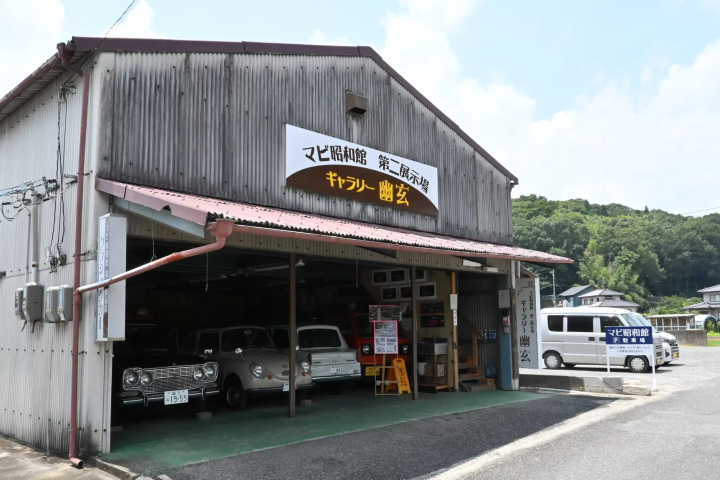
In 2023, a second exhibition hall opened, further enhancing the offerings. This hall also displays rare cars, and the second-floor gallery features Showa works, including landscapes from the Showa era drawn by colored pencil artist Yukio Takamoto. If you're lucky, you might even get to speak with the artist himself, who may be at his studio.
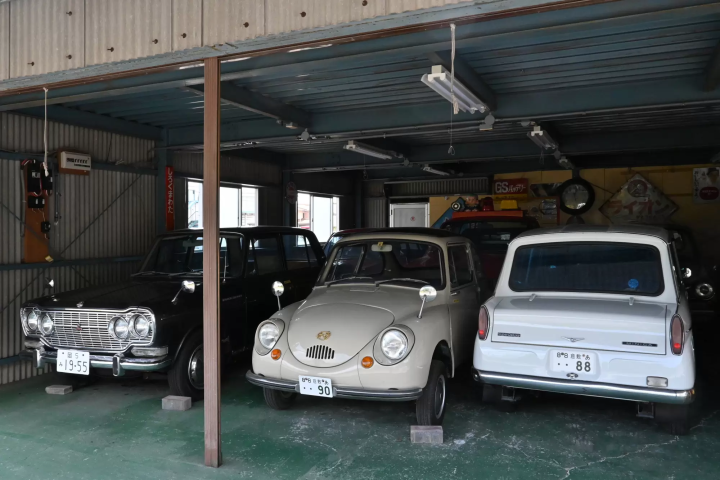
In recent years, it has become popular not only with seniors who remember the Showa era, but also with young couples, families, and even as a field trip destination for local elementary school students, with approximately 100 children visiting annually to learn. A place to reminisce, a place to learn, and above all, a place where people warmly connect with each other—"Mabi Showa Museum" is a time machine packed with everything that life was like in the Showa. Energetic seniors share the wisdom of life in that era, and the museum director has protected treasures with his life. Why not take this "journey through time" yourself?
[Mabi Showa Museum ]
Location: 961 Tsujita, Mabi-cho, Kurashiki Kurashiki City, Okayama Prefecture Prefecture Opening Hours: 10:00 AM - 4:00 PM
Opening days: 1st and 3rd Sundays of each month. Admission fee: 800 yen for high school students and older, 400 yen for elementary and junior high school students.
*Free admission for people with disabilities and those using only the " Showa Salon" cafe/light meal area. Parking available.
"Even the teachers leading the group belong to a generation that doesn't know the Showa(laughs). Faced with the real thing that they've only ever seen in books, the children are fascinated and ask lots of questions. Please come and visit the ' Mabi Showa Museum'!" (Director Maruoka)


The contents on this page may partially contain automatic translation.